
Electric heater frost protection: everything you need to know for a frost-free home in 2026
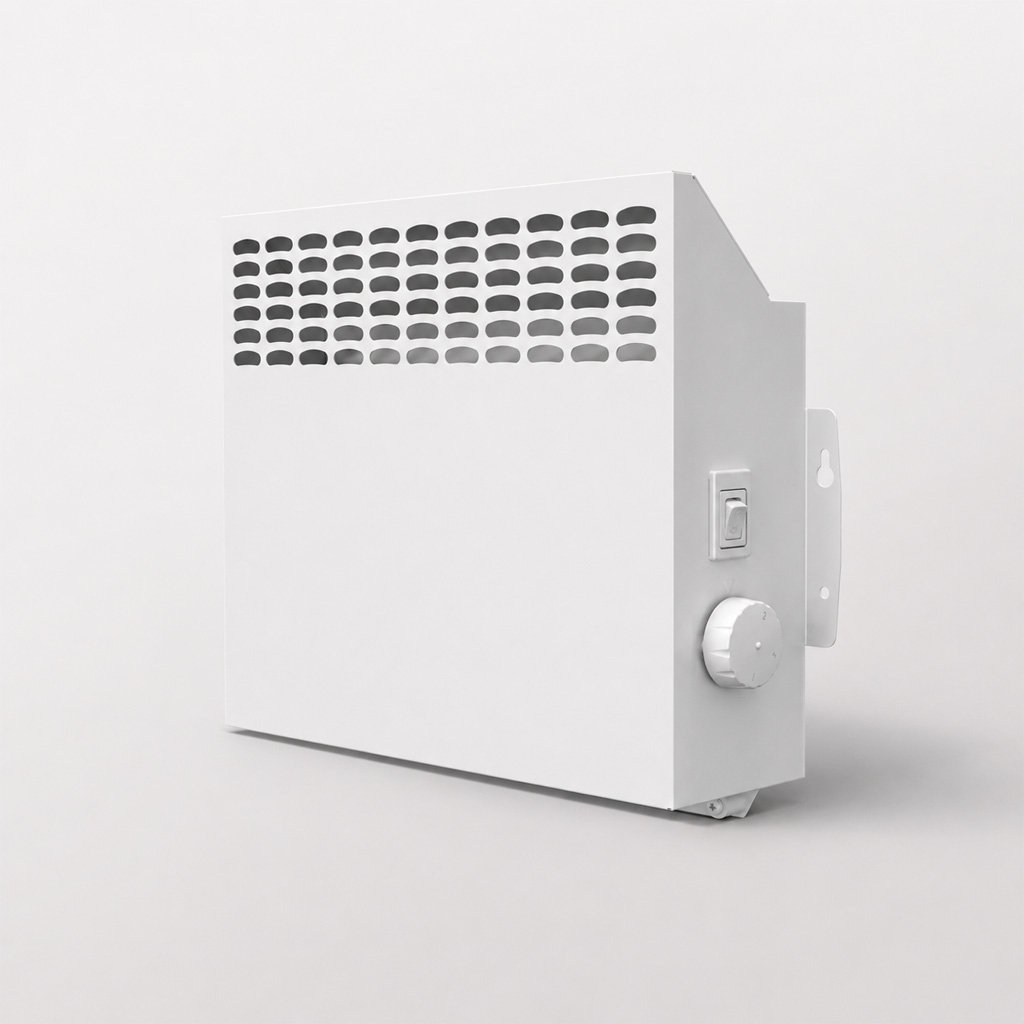
Imagine returning to your holiday home after a freezing cold weekend only to be greeted by the sound of splashing water from a burst pipe. It is a scenario every homeowner dreads, especially now that winters are becoming more unpredictable and the average electricity price in 2026 is set at around €0.260 per kWh. You want to protect your garage, utility room, or outbuilding, but you don't want a sky-high bill caused by unnecessary heating. The right frost-protected electric heater offers the perfect balance between absolute safety and low energy consumption.
We understand that uncertainty about which heating systems can be safely left unattended causes considerable doubt. In this article, you will discover how to effectively prevent frost damage with the right technology and protect your unheated spaces without spending a fortune on electricity. We delve into the operation of intelligent thermostats, the installation requirements according to the NEN 1010 standard, and how you can maintain full control over your property with modern smart features, even during the coldest winter months.
Key Points
- Learn how an electric heater's frost protection automatically maintains a minimum temperature of 5 degrees Celsius to prevent frozen pipes.
- Discover how BEHA 's advanced algorithms ensure maximum energy efficiency without compromising the safety of your home.
- Identify the most critical unheated spaces, such as garages and attics, that would benefit from a reliable heating system.
- Get immediate insight into the step-by-step setup of your convector for a worry-free and frost-free winter in 2026.
- Understand why Norwegian expertise and high-quality materials are essential for a maintenance-free system that you can safely leave unattended.
What is frost protection on an electric heater?
The frost protection mode is a specific setting on a convector that ensures the temperature in a room never drops below a critical point. In most cases, a frost protection electric heater the ambient temperature constant at approximately 5 to 7 degrees Celsius. It acts as a pilot light function for your heating; the unit consumes hardly any power until the thermostat detects that the frost line is being approached. As soon as the sensor signals a drop, the heating element switches on briefly to dispel the cold.
The primary goal of this function is not to create a comfortable living environment, but to protect the building structure. Just like the classic operation of thermostatic valves on a radiator, you can often recognize the frost setting on an electric convector by a snowflake icon. Whereas a standard low setting of, for example, 15 degrees continuously requires energy to keep a room moderately warm, the frost setting responds only to absolute necessity. This makes it an extremely efficient method for rooms that you do not actively use during the winter months, but which are vulnerable to the elements.
Why frost protection is essential for your home
An unheated room is a ticking time bomb in winter. When water in pipes freezes, it expands with enormous force, causing even copper pipes to burst. The damage often only becomes visible upon thawing, leading to costly repairs and water damage to floors and walls. Additionally, a constant minimum temperature helps control humidity. Cold air holds less moisture, causing condensation to form on cold walls. By keeping the temperature just above freezing, you minimize the risk of mold growth and protect valuable possessions, such as power tools in the garage or documents stored in the attic.
The difference between mechanical and electronic thermostats
The effectiveness of frost protection depends entirely on the accuracy of the thermostat. Older or cheaper heaters often use mechanical thermostats that operate with a bimetal. These systems are notorious for their inaccuracy; they sometimes only kick in at 2 degrees or continue heating until 10 degrees. This results in unnecessary energy consumption and uncertainty regarding safety.
Modern electric convectors from BEHA utilize advanced electronic sensors. This technology offers a precision of 0.2 degrees Celsius. In practice, this means the heater knows exactly when to intervene. This accuracy prevents the heater from running for too long, which is immediately noticeable on your energy bill. Furthermore, electronic thermostats are impervious to dust and wear, ensuring they remain a reliable guardian of your unheated rooms for years to come. If you are also looking for a heating solution that operates completely silently for use in the bedroom, our guide on silent electric heating for the bedroom comprehensive technical insights.
How the technical precision of BEHA prevents frost damage
In the icy Norwegian winters, heating is not a luxury, but a dire necessity for the preservation of a home. BEHA builds on more than a century of experience to deliver technology that can withstand the most extreme conditions. Where a standard heater sometimes struggles to start up in a freezing cold shed, ’s BEHA specifically designed to respond immediately and reliably. The heating element is manufactured from high-quality aluminium with a large surface area, ensuring rapid heat output without the element itself overheating. frost-protection electric heater is
The real power, however, lies in the software. Advanced algorithms in the electronic thermostat continuously calculate the current heat demand. Instead of simply switching on or off, the system anticipates minimal temperature fluctuations. This prevents energy-wasting peaks that unnecessarily drive up your bill. This precision is not only beneficial for your wallet but also ensures that you fully comply with the strict ECODESIGN requirements for local space heating. The result is a system that delivers exactly enough heat to prevent frozen pipes, while limiting energy consumption to an absolute minimum.
Reliability in unattended areas
When you leave a heater unattended in a garage or holiday home for weeks at a time, safety is the highest priority. Our smart convectors with steel fronts are specifically built for this task. The robust construction withstands the fluctuating humidity in unheated rooms. Furthermore, these units are equipped with double safety features. Should the heater accidentally become covered, the thermal protection immediately switches off the system. This provides the peace of mind needed when using it in rooms you do not visit daily.
Remote monitoring via the BEHA app
The biggest innovation of recent years is the integration of digital connectivity. Many traditional heaters leave you in the dark; you only know if the frost protection has done its job when you are physically on site. With the BEHA app, this changes completely. You receive an instant push notification on your smartphone if the temperature in your utility room or shed drops below the set limit. This enables you to intervene immediately, wherever you are.
You can monitor current consumption in real time and even switch between frost mode and comfort mode. Are you going to your holiday home for the weekend? Then turn up the heating a few degrees while you are still on your way. This way, you combine the safety of a frost-free house with the comfort of a warm welcome, without the heater running at full power unnecessarily for days on end. It is the smartest way to use your frost protection electric heater for maximum protection and minimum consumption
The most suitable rooms for a heater with frost protection
Not every room in your home is used intensively every day. It is precisely in these secondary rooms that a frost-protected electric heater indispensable. Consider the garage, where water pipes often run along uninsulated exterior walls, or the attic, which acts as a thermal buffer for the rest of the house. When the temperature in attics drops too low, the heating in the bedrooms below has to work harder to compensate for the heat loss. By maintaining a constant base of approximately 5 degrees, you create a more stable climate throughout the entire property. For the bedroom itself, a quiet electric bedroom heater the ideal choice to guarantee both comfort and an undisturbed night's sleep.
Holiday homes constitute a category of their own. During the winter break, the risk of hidden frost damage is significant. A reliable convector ensures that you can leave the home with peace of mind. In utility rooms and storage areas, the frost protection setting is essential for preserving supplies; extreme cold can affect the quality of food or paint stocks. This involves maximum energy savings with smart thermostats, where the technology intervenes only when the structure is at risk.
The garage as a frost-free workspace
A garage places specific demands on heating. Insulation here is often less optimal than in the living room, making the choice of the right wattage crucial. We usually recommend a more powerful convector to compensate for the rapid cooling when opening the garage door. Wall mounting is the standard here; it keeps the floor space clear and prevents dangerous situations around vehicles or flammable liquids. This transforms your garage from a chilly storage area into a safe, frost-free environment where your tools won't rust and you can also protect your garden stock; discover Helza Hobbyzaden for an extensive collection of seeds that you can store in a frost-free space until the new gardening season.
Aesthetic integration in living spaces
Functionality does not have to come at the expense of the interior. Even in a utility room or hallway, a conspicuous radiator can be disruptive. For these spaces, our smart convectors with paintable fronts the ideal solution. You can paint the heater the exact same color as the wall, making the unit virtually invisible. It proves that modern heating technology can seamlessly blend into your design, without compromising on the technological superiority of a modern frost-protected electric heater.
Step-by-step plan for setting up your frost protection
Correctly configuring your electric heater's frost protection is a process that requires precision. It is not just about switching on the device, but about creating a reliable safety net for your home. Proper preparation prevents the heater from switching on unnecessarily or, worse, failing to signal the freezing temperatures in time. Follow this step-by-step plan to optimally adjust your system for the winter of 2026.
The first step is physically setting the base temperature. On most BEHA convectors, you will find a thermostat knob with a snowflake symbol. By turning this knob, you activate the automatic frost mode. The heater now keeps the room at a safe lower limit of approximately 5 to 7 degrees Celsius. Next, connect the unit to your Wi-Fi network via the BEHA app. This allows you to check the status of the heater from anywhere in the world. Test the operation by temporarily lowering the temperature around the sensor with a cooling element, if possible. You will then immediately see in the app whether the heating element activates.
Optimal positioning for frost protection
The location of your convector determines the effectiveness of the protection. For best results, mount the heater on an exterior wall, preferably directly under a window. Cold air is heavier and sinks; by placing the heater at the coldest point, the convector directly captures the cold airflow and distributes the heat through natural circulation. Ensure there is at least 10 centimeters of free space at the bottom and sides. Although mobile use is possible, we always recommend fixed wall mounting for unattended rooms. This prevents the unit from accidentally tipping over or being placed too close to flammable materials.
Configuration of the smart thermostat
Modern heating offers more than just a static frost protection setting. Use the app to set specific weekly programs for multi-purpose rooms. Do you have a garage that serves as frost-free storage during the week, but where you do DIY work on Saturday afternoons? Then program the heater to switch to 18 degrees exclusively during your working hours and immediately return to frost protection afterwards. Don't forget to calibrate the temperature sensor via the settings. This corrects any deviations caused by the heater's placement, ensuring the measurement is accurate to the degree. For rooms where children are present, it is essential to activate the electronic child lock to prevent the settings from being changed accidentally.
Do you want to start securing your outbuildings or attic immediately? Then choose one of our smart convectors with a glass front for a combination of technological precision and a modern design.
Why a BEHA convector is the best choice for frost protection
BEHA is not just a manufacturer of heating systems; it is a Norwegian institution with more than a century of experience in combating extreme cold. In a climate where temperatures of minus thirty degrees are not uncommon, we have learned that an electric heater with frost protection must be one hundred percent reliable. This Norwegian expertise forms the basis of every appliance we produce. Our designs are not based on theoretical models, but on decades of practical experience in the most challenging winter conditions in the world.
Choosing a BEHA convector is choosing worry-free technology. Our units excel in maintenance-free operation. Where other systems lose accuracy over time, our electronic thermostats continue to monitor the critical frost line with unprecedented precision. Moreover, the installation is designed with the user in mind: intuitive, fast, and without the need for complex technical knowledge. The result is a future-proof solution that fully complies with the strictest European safety standards and ECODESIGN guidelines.
Quality that lasts for generations
For us, sustainability is not a marketing term, but a technical reality. Our smart convectors with steel fronts are manufactured from robust materials that can withstand the fluctuating conditions in unheated rooms. While cheaper alternatives often use plastics that become brittle due to temperature fluctuations, BEHA for high-quality steel and aluminium. This investment pays for itself quickly. The cost of a high-quality frost-protected electric heater pales in comparison to the potential damage claims and repair costs of a frozen water pipe. Moreover, as an established brand in the Benelux, we offer the assurance of local support and service rooted in tradition.
Ready for the winter of 2026
Innovation never stops. For the winter of 2026, we have further refined our smart technology to respond even better to rising energy costs and the need for digital control. Our latest generation of convectors is equipped with optimized Wi-Fi modules and sensors that respond even faster to environmental changes. We continue to set the standard for energy conservation and ease of use. Whether you own a residential home or are responsible for professional property management, we offer the direct support and technological superiority needed to guide every space safely and frost-free through the coldest months.
Ensure a carefree winter with intelligent heating
Protecting your unheated spaces doesn't have to be a source of stress or high costs. By choosing a modern electric frost protection heater, you combine technical precision with maximum peace of mind. The accuracy of electronic thermostats prevents unnecessary consumption, while smart Wi-Fi control gives you full control, wherever you are. Whether it's your garage, attic, or holiday home, a reliable system is the best insurance against burst pipes and moisture problems.
As a Norwegian family business since 1917, BEHA better than anyone how to brave the elements. Our solutions meet the strictest ECODESIGN standards and are designed to last for generations. View our range of smart convectors for optimal frost protection and prepare your home for the cold months today. You can face the winter with peace of mind.
Frequently asked questions about frost protection
What is the ideal temperature for frost protection?
The ideal temperature for frost protection is between 5 and 7 degrees Celsius. This margin is ample to prevent the freezing point from being reached near water pipes, while keeping energy consumption to an absolute minimum. Maintaining a higher temperature in unused spaces leads to unnecessary electricity costs without additional safety benefits for the building structure.
How much power does an electric heater consume in frost mode?
The power consumption of an electric frost protection heater is negligible as long as the ambient temperature remains above the set limit of approximately 5 degrees. The device only switches on when the thermostat detects that the temperature is dropping, meaning you only pay for the heat actually needed to prevent freezing. This makes the system many times more efficient than a heater that runs continuously on a low setting.
Can I safely leave a convector heater unattended in the garage?
Yes, you can safely leave a BEHA convector unattended provided it is mounted to the wall in accordance with the regulations. Our heaters are specifically designed for prolonged use without direct supervision and are equipped with automatic thermal protection. Should the heater accidentally become covered or overheat, the system will switch itself off immediately to prevent dangerous situations.
Does the frost protection also work if the Wi-Fi connection is lost?
The frost protection continues to function without interruption if the Wi-Fi connection is lost. The thermostat in the heater operates locally and does not rely on an internet connection for its basic control. Although you will temporarily not receive status updates or be able to change settings via the app, the heater continues to independently monitor the set minimum temperature in the room.
Is an electric heater with frost protection suitable for the bathroom?
Many of our convectors are suitable for use in the bathroom provided they have an IP24 certification for splash-proofing. This makes them ideal for keeping bathrooms in holiday homes or outbuildings frost-free. Always check the specific zone classification of your bathroom and ensure that the installation complies with the applicable safety standards for damp areas.
What happens to the settings after a power outage?
After a power outage, BEHA heaters automatically resume operation with the last known settings. Thanks to the built-in memory function, you do not need to be physically present to switch the heater back on. As soon as the power supply is restored, the unit immediately returns to frost protection mode to continue protecting your home.
Can I also use a paintable radiator in a cold storage room?
A smart convector with a paintable front is technically identical to our standard models and is therefore perfectly suited for cold storage rooms. The special coating on the front does not affect the heat output or the accuracy of the thermostat. It simply offers you the possibility to aesthetically match the heater to the walls of your storage room or utility room.
Should I have the heater checked every year before winter starts?
You do not need to have a BEHA convector technically inspected annually because the units are completely maintenance-free. However, it is advisable to check before the start of the heating season whether the air inlets at the bottom and the grille at the top are free of dust. A clean heater ensures optimal air circulation and the most efficient operation of the frost protection setting.