
Glass or steel?: which BEHA convector suits your interior? 7 ultimate tips
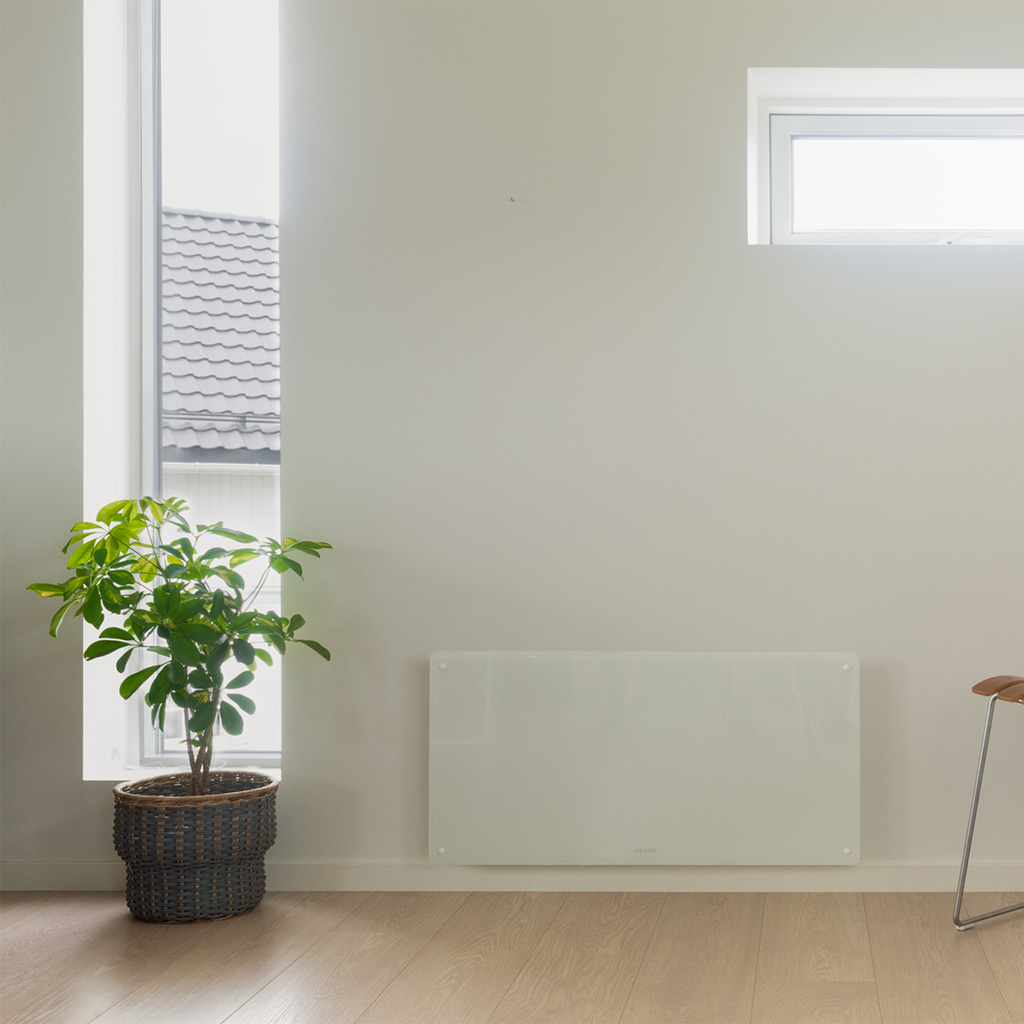
Glass or steel?: which BEHA convector suits your interior? The choice isn't just about taste. A glass front looks refined and reflects light, steel is timeless and robust, while a paintable RAW front can disappear into the wall. In this comprehensive comparison, you will discover which material suits your living style, space, maintenance preferences, and daily use.
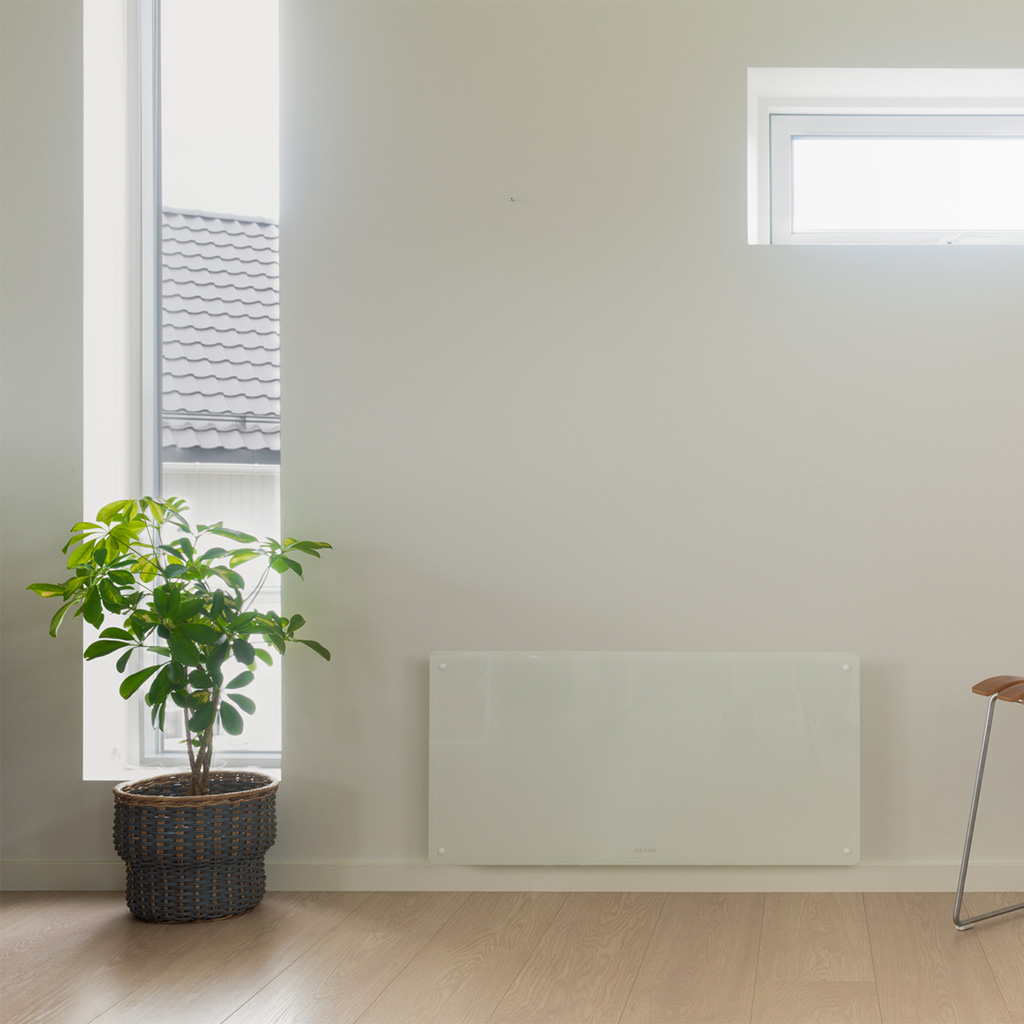
The choice in one minute
- PGV and LGV with glass front: a smooth, luxurious look for modern and minimalist interiors.
- PV and LV with steel front: a robust, calm, and timeless choice that combines easily.
- RAW with paintable front: ideal for a tone-on-tone effect or a radiator that visually blends into the wall.
- First select the correct wattage and the suitable IP rating; then determine the front and appearance.
- Always check the product specifications of the exact model, as features and compatibility may vary by series.
Glass or steel?: which BEHA convector suits your interior?
BEHA offers three distinct design directions. PGV and LGV feature a glass front, PV and LV a lacquered steel front, and the RAW series a lightly textured front that can be painted over according to the product instructions. The best choice is made by evaluating appearance, daily use, and technical requirements simultaneously.
| Front | Appearance | Strong point | Point of attention | Often fits |
|---|---|---|---|---|
| Glass: PGV and LGV | Smooth, refined and slightly reflective | Visual statement and simple smooth surface | Fingerprints and reflections are visible more quickly | Modern, hotel chic and minimalist |
| Steel: PV and LV | Calm, sleek and timeless | Robust, versatile finish | Remains clearly recognizable as a heater | Scandinavian, industrial and classic |
| Paintable: RAW | Tone-on-tone or deliberately contrasting | Maximum color freedom | Proper preparation and painting is necessary | Japandi, minimalist and custom interior |
Does the front affect energy consumption?
The selected power output, room heat loss, thermostat setting, and operating time determine power consumption much more strongly than the appearance of the front panel. Therefore, always compare models based on the same power output and control options. A front panel is no substitute for correct sizing or insulation.
Start with technology, end with design
First, determine how many watts the room requires, where the unit can be safely mounted, and which functions you use. Then, choose glass, steel, or RAW. This prevents a visually perfect convector from being technically unsuitable for the room.
PGV and LGV: when do you choose a glass front?
A glass front makes a convector look more like an interior panel than a traditional radiator. The smooth surface and subtle reflection fit well in a room with clean lines, glass, natural stone, high-gloss lacquer, or metal accents. In a minimalist room, glass can function as a calming design object.
The advantages of glass
- Refined, contemporary look.
- Smooth surface that is easily wipeable with the right soft cloth.
- Reflects light and can visually brighten a dark corner.
- Suitable for interiors where appliances are allowed to be a deliberate part of the design.
What should you take into account?
Fingerprints, dust, and streaks are more noticeable on a smooth and slightly reflective surface. Do not use an abrasive sponge or harsh cleaning agent, and follow the manual for the specific model. Do not judge glass based solely on a product photo: daylight, windows, and lighting can alter the reflection in your own room.
For which interior styles?
Glass pairs particularly well with modern minimalism, hotel chic, and a sleek Scandinavian interior. In a classic interior, it can create a deliberately contemporary contrast. Preferably, repeat a material or level of gloss that is already present, for example in a glass table, a glossy kitchen wall, or black metal details.
PV and LV: when do you choose a steel front?
A lacquered steel front is the most neutral and versatile option. The calm surface finish does not compete with furniture, art, or architecture. As a result, steel fits into a new apartment as well as a country home or practical workspace.
The advantages of steel
- Robust finish for everyday use.
- Timeless design that does not easily tie to a single interior trend.
- Less noticeable reflections than with glass.
- Easy to combine with wood, natural stone, concrete, and metal.
Practical in busy areas
Steel is a logical choice in a hallway, living room, study, or room where a calm, functional appearance is desired. Here, too, correct mounting distances are important: robust does not mean that furniture, toys, or curtains can be placed against the ventilation openings.
Bathroom: look at the exact model
The BEHA PV10 product information states IP24, double insulation, and thermal protection. This does not automatically mean that every steel, glass, or RAW model can be installed anywhere in a bathroom. Always check the IP rating, electrical zone, and installation manual of the exact product and have any doubts assessed by a certified electrician.
BEHA RAW: when do you choose a paintable front?
RAW is intended for interiors where the radiator needs to visually blend into the wall or, conversely, be given its own accent color. According to the product specifications, the lightly textured front can be painted over. This offers more design freedom than a fixed factory color.
Tone-on-tone: making the convector disappear
Paint the permitted front the same color as the back panel for a calm, architectural effect. This works particularly well with saturated wall colors, custom cabinets, and minimalist interiors where a white surface would break the composition.
Contrast as a conscious choice
RAW does not have to be invisible. A dark, warm, or greyish accent color can connect the convector with skirting boards, doors, window profiles, or furniture. Test the color next to the wall in daylight and artificial light first; the same paint color can look different on various surfaces.
Correct painting is essential
Follow only the current BEHApainting instructions. Keep air vents, sensors, controls, connections, and other unauthorized parts free of paint. Use the prescribed type of paint and do not apply unnecessarily thick layers. Keep the color code and any remaining paint for later touch-ups.
View the current RAW versions on the official page for BEHA RAW with paintable front.
Glass or steel?: which BEHA convector suits your living style?
Scandinavian and minimalist
Choose steel for an understated, functional look, or RAW if you want to finish the front in the same color as the wall. Glass can be suitable if the interior already contains subtle reflective elements and the convector is allowed to remain visible.
Japandi and natural materials
Japandi revolves around tranquility, tactility, and a limited color palette. RAW in a warm off-white, greige, or earth tone often aligns best with this. Steel offers a no-nonsense alternative alongside light wood, lime paint, and linen.
Industrial
A steel front naturally complements black frames, concrete, brick, and visible metal details. Glass can refine the overall look when the space otherwise appears too rough or heavy.
Hotel chic
Glass complements velvet, natural stone, brass, and mood lighting. Pay attention to reflections from spotlights and windows. A convector that appears subtle in the product photo can be more prominent opposite a large window.
Classic or country
Steel is the safest, timeless choice. RAW offers greater integration when the wall has a pronounced color. Glass can work as a modern accent, but preferably repeat the gloss in other details to create cohesion.
Colorful and eclectic
RAW offers the greatest freedom. Let the front align with the wall or deliberately choose an accent color that reappears in textiles, art, or joinery. Limit the number of competing eye-catchers around the heater for a calmer result.
Practical selection criteria: more than just the front
The question Glass or steel?: which BEHA convector suits your interior? is only properly answered when the room and technology are also right.
1. Required power
For an initial orientation, use approximately 25 to 50 watts per cubic meter. The lower end is only suitable for a well-insulated room. Ceiling height, glazing, exterior walls, ventilation, and desired temperature influence the result. For primary heating, have the heat loss calculated professionally.
| Space at 2.5 m high | Contents | Indication 25–50 W/m³ |
|---|---|---|
| 10 m² | 25 m³ | 625–1,250 W |
| 15 m² | 37.5 m³ | 940–1.875 W |
| 20 m² | 50 m³ | 1,250–2,500 W |
2. High or low model
A low model can fit under a windowsill or help limit cold drafts near a large window. A taller, narrower model can better suit a limited wall width. Do not just measure the available space, but also observe all minimum mounting distances.
3. Sightlines and placement
View the wall from the doorway, seating area, and dining table. A glass front can function as a design element on a visual axis. RAW is particularly suitable when you desire visual tranquility. Keep the air intake and outlet clear and do not place a long curtain or piece of furniture in front of the unit.
4. Wi-Fi and controls
Not every model necessarily has the same features. Compare the thermostat, weekly programs, open window detection, Wi-Fi, local control without internet, and app support for each model. Design should not overshadow user-friendliness.
For general European product information and regulatory requirements, you can also consult the current page of the European Commission on local space heaters
5. Maintenance
Switch off the device and allow it to cool down before cleaning it according to the manual. For glass, use a soft, lint-free cloth. Clean painted steel without abrasives. In the event of damage, RAW may possibly be touch-ups in the same color, provided you continue to follow the painting instructions.
Selection guide: which BEHAfront suits you?
Choose glass if the heating can be a visible part of a modern interior and you appreciate a smooth, refined surface. Choose steel for a robust, understated, and versatile solution. Choose RAW when color integration and a custom look are most important.
| Your priority | Likely choice | Also check |
|---|---|---|
| Luxurious, sleek design | PGV or LGV glass | Reflection and cleansing |
| Robust and timeless | PV or LV steel | Model size and IP rating |
| Same color as the wall | RAW paintable | Painting instructions and IP rating |
| Heavily used passageway | Often steel | Free space around the device |
| Minimalist accent wall | RAW or glass | Natural light and sightlines |
| Damp room | Only suitable exact model | IP rating and bathroom zone |
View materials in your own light
Screen colors and product photos only provide an impression. Daylight, lamp color, wall paint, and surrounding materials influence the result. If possible, compare a product or material sample in the room and view it both during the day and in the evening.
Use the BEHAconfigurator
Still undecided between glass, steel, or paintable? Use our existing configurator for personalized advice based on your space and preferences.
Conclusion: glass, steel, or paintable?
Glass or steel?: which BEHA convector suits your interior? For a distinctly modern design, glass is the obvious choice. For a strong, timeless all-rounder, steel is the logical choice. If you want the heater to virtually disappear or match it exactly to your color palette, RAW offers the most freedom. Always check the power output, dimensions, controls, and IP rating of the exact model before purchasing.
Frequently asked questions about glass or steel at BEHA
Is a glass BEHAconvector more energy-efficient than a steel model?
Not automatic. With equal electrical power ratings and comparable control, consumption is determined primarily by heat loss, set temperature, and operating time. Select the front panel mainly based on design and practical use.
Which front is the easiest to clean?
Glass is smooth and easy to clean, but fingerprints and streaks may be more visible. Lacquered steel is also practical and shows less reflection. Always use soft materials and follow the care instructions.
Can any BEHAconvector be installed in the bathroom?
No. Check the IP rating and installation instructions for the exact model. The BEHA PV10 product page lists IP24, while, for example, the RAW HR12 is specified as IP20. The permitted bathroom zone remains the determining factor.
Can I paint over a standard steel convector?
Not without the express permission of the manufacturer. For painting, choose a RAW model designed for this purpose and follow the official instructions. Never paint air vents, sensors, or controls.
Which series suits a minimalist interior best?
RAW works well when the radiator is the same color as the wall. Glass, on the other hand, can form a sleek design accent. Steel is suitable if you are looking for a neutral and timeless look.
Is glass more fragile than steel?
Glass and steel both require careful handling, but steel is generally the most obvious choice in a busy passageway. Assess placement, the risk of impact, and the product information for the specific model.
Does RAW require more maintenance after painting?
That depends on the paint, color, and usage. Keep the color code used and a small amount of paint for touch-ups. Clean the surface carefully according to the BEHAinstructions.
Which color makes a convector stand out the least?
The same color and similar gloss level as the back wall usually produce the calmest result. Keep in mind that lighting and surface texture can make color differences visible.
Should I choose the front or the power first?
First, choose the capacity, dimensions, and technical suitability for the room. Then, select the desired front from the matching models. This way, comfort remains more important than appearance alone.