
Electric shoe dryer: the complete buying guide for 2026
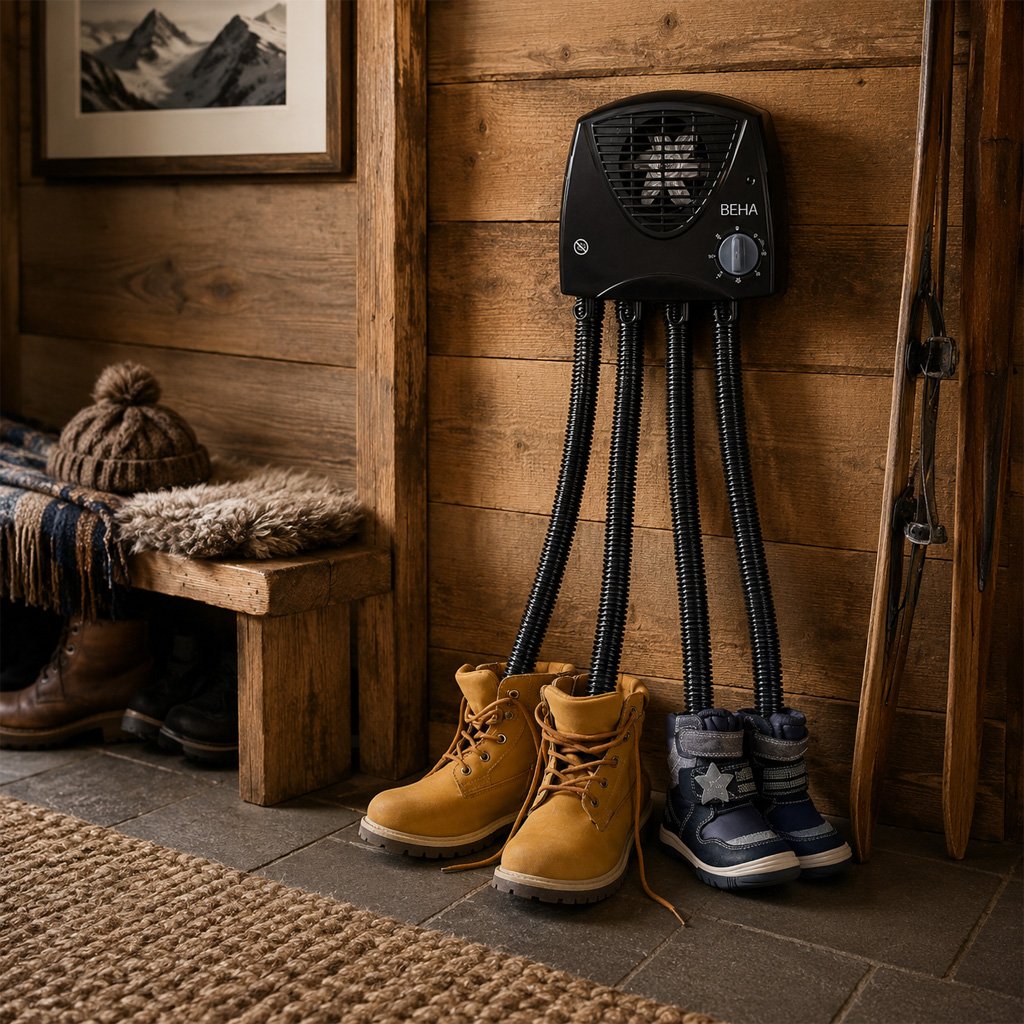
Imagine this: you open the front door after a rainy day and are immediately greeted by the penetrating, musty smell of damp hiking boots standing in the hallway. It is a frustration shared by many households, especially when those same shoes still feel clammy the next morning. With a high-quality electric shoe dryer, you not only solve this problem but also choose a hygienic and sustainable solution that protects your valuable footwear.
After all, you want your shoes to dry quickly without excessive heat damaging the delicate leather or glue joints. In this complete buying guide for 2026, you will learn exactly what to look for when purchasing, backed by the 100 years of Norwegian expertise embedded in our designs. We discuss how a fixed installation ensures a tidy hallway, which techniques permanently eliminate unpleasant odors, and how to choose a model that meets the latest European safety standards for a fresh and safe home.
Key Points
- Learn how to effectively prevent unpleasant odors and mold growth through optimal moisture regulation in your everyday footwear.
- Discover the ideal balance between wattage and heat control when purchasing an electric shoe dryer to protect your materials.
- Understand why fixed wall mounting and the use of robust materials contribute to a sustainable and tidy living environment.
- Gain insight into crucial safety requirements, such as the correct IP ratings for installation in damp rooms and garages.
- Benefit from 100 years of Norwegian craftsmanship for a reliable solution that defies even the harshest climate.
Why an electric shoe dryer is indispensable in your home
In a climate where rain showers and muddy paths are the rule rather than the exception, keeping footwear dry is a daily challenge. In this context, an electric shoe dryer is much more than a handy gadget; it is an essential comfort product that directly contributes to a healthy living environment. What is a shoe dryer at its core? It is a technical device that removes moisture via controlled airflow or heat, without damaging the structure of the material. In a modern Dutch household, which is increasingly being set up to be completely gas-free and electric, such a drying solution forms a logical addition to making the home more sustainable.
The shift to all-electric living means we are taking a more critical look at how we use heat. Instead of turning up the underfloor heating or a radiator in the hallway for hours to dry damp shoes, an electric dryer offers a targeted and energy-efficient method. It is an investment in convenience that immediately pays for itself on every wet autumn day and cold winter morning in the form of dry feet and a tidy entrance. For those who want to manage energy consumption throughout the entire home smartly, an electric convector with Wi-Fi an excellent addition to this all-electric concept, providing full control over heating comfort per room.
Health and hygiene in the hall
Damp shoes standing in a dark hallway for hours are the ideal breeding ground for bacteria and fungi. This process is the main cause of that penetrating, musty smell that often lingers in hallways. By drastically shortening drying time, microorganisms simply do not get the chance to multiply. For people with allergies or sensitive skin, this is crucial; it prevents the buildup of allergens in the footwear. A fresh entrance therefore does not start with an air freshener spray, but with effectively combating the source of the moisture.
Saving in the long term
Quality shoes made of leather or technical textiles often represent significant value. However, moisture is the greatest enemy of these materials. If leather remains wet for too long, it loses its natural oils, becomes stiff, and eventually cracks. Textiles can rot or lose their shape due to prolonged exposure to water. An electric shoe dryer protects your investment by drying at a safe, constant temperature, which significantly extends the lifespan of your footwear. The cost of a dryer pales in comparison to the price of a new pair of high-quality hiking shoes or boots. For an extensive collection and professional advice, visit COLADA Schoenen and SPORT2000 Weert. Moreover, modern units consume only a fraction of the electricity that would be required to heat an entire room for the same drying result.
Important features when buying a shoe dryer
When purchasing an electric shoe dryer, look beyond just the appearance. The technical specifications determine whether your shoes are truly dry the next morning and remain in top condition. Capacity is the first starting point here. For a household with children, a model with four air outlets is essential so that two pairs of shoes can be behasimultaneously. The power output, often around 300 watts, is crucial in this regard. This wattage provides sufficient power to generate a constant airflow without energy consumption getting out of hand. With an average electricity price of €0.25 per kWh in 2026, a one-hour drying cycle will cost only about €0.075.
In addition to power, heat management is a decisive factor. A high-quality dryer must meet strict safety standards for electrical appliances to prevent overheating. This is important not only for fire safety in your home but also for preserving your footwear. Automatic shut-off and a timer function of, for example, 180 minutes ensure that the appliance is never left on unnecessarily, which benefits both safety and energy efficiency. For those who also want to control the heating of individual rooms more intelligently, a smart convector thermostat an effective way to heat only where and when needed, further reducing the total energy bill.
Protection of various materials
Not every material reacts the same way to heat. Leather shoes are particularly sensitive; excessively high temperatures can cause the leather to dry out and crack. A good dryer therefore uses a powerful airflow rather than extreme heat. For sports shoes and technical textiles, however, maximum ventilation is necessary to draw moisture from the deepest fibers. It is advisable to choose a system specifically designed to maintain this balance. For those who deal with wet boots or gloves daily, our shoe & textile dryers a robust solution that respects the integrity of all materials.
Ease of use and automation
In practice, it turns out that simplicity often yields the best results. Mechanical timers are in many cases more reliable and easier for the whole family to operate than complex digital menus. You simply turn the knob and the process begins. Noise level also plays a role, especially if the dryer is located in a hallway close to the living room. Modern systems are designed so that the fan produces a quiet, monotonous sound that is not intrusive. This makes the system maintenance-free and ideal for daily use after every walk or workout. When you need extra heat quickly in a specific room, a fan heater be an excellent addition that delivers targeted heat within seconds without heating up the entire home.
Wall-mounted versus portable models: what is the best choice?
When searching for an electric shoe dryer, the sheer volume of compact, plastic gadgets immediately stands out. While these entry-level models seem attractive due to their low price and promised flexibility, they often fall short in the daily practice of a busy household. For those striving for a tidy hallway and a sustainable solution, the choice between a fixed wall-mounted model and a portable unit is crucial. A fixed installation not only offers stability but also integrates seamlessly into the aesthetics of a modern utility room or entrance, without loose cables lying across the floor.
The choice of material plays a decisive role here. While portable models are often made entirely of plastic, high-quality wall-mounted models are designed with robust components that can withstand intensive use. This difference in build quality translates directly into the lifespan of the appliance. A permanently installed dryer is a one-time investment in the comfort of your home, whereas cheap plastic alternatives often show signs of wear after just a few seasons or break down due to fragile hinges and thin hoses.
The benefits of a wall-mounted electric drying rack
A permanently mounted electric shoe dryer is always ready for use. No setup time is required; you simply place the nozzles in your shoes and activate the timer. Thanks to the vertical positioning on the wall, the natural upward airflow is optimally utilized, resulting in even drying from heel to toe. For a complete setup of your laundry room or hallway, you can perfectly combine this system with a wall-mounted electric drying rack. This creates a central location where both footwear and textiles can dry efficiently and in an organized manner, out of sight and without obstructing foot traffic.
When to choose a portable model?
Portable units certainly have their uses, but primarily in specific scenarios such as a winter sports holiday or a camping trip. In these situations, mobility outweighs the limitations in power and capacity. However, for daily use in a fixed residential environment, the disadvantages are greater. The limited airflow of compact dryers results in longer drying times, and the risk of parts lying around in the hallway contributes to a cluttered interior. Furthermore, loose cables in a humid environment are less desirable from an electrical safety perspective than a professionally installed wall unit.

Safety and installation of your electric dryer
The installation of an electric shoe dryer requires a well-thought-out approach. Although the device appears technically simple, safe integration into your home is essential for worry-free use in the long term. One of the most important technical aspects is the IP rating of the unit. For installation in areas where moisture may be present, such as a utility room where the washing machine is located or a garage with a damp floor, an appropriate level of protection is necessary. The IP rating, which stands for Ingress Protection, indicates the degree to which the electronics are protected against dust and water. For such a dryer, an IPX4 rating is often the standard; this means that the device is splash-proof. This is crucial because wet shoes can leave dripping water near the installation.
Fire safety is another crucial aspect of product quality. High-quality dryers are equipped with thermal protection that immediately shuts off the system in the event of unexpected overheating. This can happen, for example, if the air supply is accidentally blocked by a scarf or other garment falling over the hoses. Thanks to this double protection, combined with the automatic timer we discussed in previous sections, you can run the appliance with peace of mind while you perform other tasks around the house. Furthermore, all modern models must carry a CE marking, which guarantees that they comply with strict European guidelines for electrical safety.
Optimal placement in the home
The ideal location for your dryer is a well-ventilated room such as the utility room or garage. Here, the moist air blown out of the shoes can easily dissipate, preventing condensation from forming on the walls. Pay specific attention to ergonomics during installation; hang the unit at a height of approximately 60 to 80 centimeters. This ensures that you can easily place the hoses inside the shoes without having to bend down deeply. Also, make sure there is a grounded outlet within reach so you do not need to use extension cords. This reduces the risk of tripping and overheating of loose cables.
Maintenance for years of enjoyment
To maintain the efficiency of your system, periodic maintenance is necessary. Clean the discharge nozzles and the inside of the hoses monthly with a damp cloth to prevent dust accumulation. Dust in the hoses can reduce airflow and place a heavier load on the motor. Additionally, a periodic check of the wiring is a small action with a major impact on safety. Start at the plug and follow the cable along its entire length to the housing. Pay specific attention to places where the cable runs along a sharp edge or where it is stretched tightly. Any discoloration of the insulation may indicate internal heat buildup. By checking this twice a year, you prevent minor defects from developing into a serious risk.
Are you looking for a reliable system that meets all these requirements? Then take a look at our shoe & textile dryers for a safe and sustainable addition to your household.
The Norwegian quality of BEHA shoe dryers
Choosing an electric shoe dryer is often a choice for long-term reliability. At BEHA we understand this better than anyone. With a history dating back to 1917, we have over 100 years of experience in the development of electric heating solutions. Our products are designed and tested in Fredrikstad, Norway, where the climate leaves no room for compromise. A device that withstands the icy Norwegian winters is more than capable of handling the wet and changeable conditions in the Benelux. This tradition of durability forms the core of every design that leaves our factory.
Our focus is not only on performance, but also on the future of our planet. At BEHA sustainability is not a marketing term, but an integral part of the production process. We use climate-friendly production methods and materials that last for generations. This makes an electric shoe dryer from BEHA a responsible choice for the environmentally conscious consumer. It reduces the need for frequent replacement and contributes directly to a lower ecological footprint for your household.
Why BEHA sets the standard
The technical superiority of our dryers stems from the use of high-quality components specifically selected for intensive, daily use. Each appliance is designed according to strict ECODESIGN standards, meaning that energy efficiency and environmental friendliness are central from the very first sketch. This holistic approach to heating is reflected throughout our entire range. For instance, the robust design of our dryers seamlessly aligns with the aesthetics and technology of other solutions, such as our electric heater with a steel front or an electric convector with Wi-Fi for smart zone control per room. Together, they form an intelligent ecosystem that keeps your home warm, dry, and comfortable.
Customer service and warranty
As a family business, we attach great value to the relationship with our users. When you choose BEHA, you choose the assurance of local expertise and support within the Benelux. Our warranty conditions reflect the confidence we have in our Norwegian build quality. Should anything unexpected occur, a team of experts who know the products inside out is ready to assist. We do not just supply a product; we offer a long-lasting solution for a worry-free indoor climate. Discover our collection of shoe and textile dryers for your home and experience for yourself the difference that a century of innovation makes.
Choose comfort and durability in your hallway
An investment in an electric shoe dryer is an investment in your daily well-being and the preservation of your valuable footwear. By choosing a system that combines effective moisture regulation with controlled heat, you not only prevent unpleasant odors and mold, but also extend the lifespan of materials such as leather and technical textiles. Fixed wall mounting in the utility room or garage offers the most ergonomic and safe solution for a tidy and modern household.
At BEHA we build on over 100 years of experience to offer you the highest Norwegian quality and design. Our dryers meet the strictest safety standards, so you can rely with peace of mind on a fresh home and dry feet, regardless of the weather outside. ’s sustainable shoe dryers BEHA and discover how our expertise contributes to a smart and responsible lifestyle. Turn every wet walk into a comfortable experience and enjoy a fresh start tomorrow.
Frequently asked questions about shoe dryers
How long should an electric shoe dryer be on for the best results?
The average drying time varies between 30 and 120 minutes, depending on how wet the footwear is. For slightly damp sneakers, a short program is sufficient, while completely soaked hiking boots benefit from a two-hour cycle. Modern timers often offer settings up to 180 minutes to ensure complete drying. It is advisable to set the timer manually based on the material thickness and the moisture level of the shoe.
Is an electric shoe dryer safe for leather shoes?
Yes, a high-quality electric shoe dryer is safe for leather provided it uses a constant, controlled airflow rather than intense heat. Excessively high temperatures can cause leather to dry out and crack. By choosing a model that maintains a balance between ventilation and gentle heat, the natural oils in the leather are preserved, and your valuable footwear lasts longer without loss of shape or damage to the glue joints. For artisans working with these high-quality materials, Hab-To Leather House the right foundation and supplies to keep leather products in optimal condition.
How much electricity does a shoe dryer consume on average?
An average shoe dryer consumes between 100 and 300 watts of power. Assuming a 300-watt model and the average Dutch electricity price of €0.25 per kWh in 2026, a one-hour drying cycle costs approximately €0.075. This makes it a very energy-efficient solution compared to raising the room temperature or using a tumble dryer for textile items, which would require significantly more energy.
Can I also dry gloves and hats with this device?
Certainly, the flexible hoses and nozzles are perfectly suited for drying gloves, hats, and even wet socks. By inserting the hoses directly into the accessories, moisture is expelled from the inside. This is ideal after a day in the snow or an intense bike ride in the rain. It prevents thick winter gloves from remaining damp on the inside for days, which immediately improves hygiene and wearing comfort.
What is the difference between an ozone dryer and a warm air dryer?
A warm air dryer focuses on evaporating moisture through constant ventilation, while an ozone dryer adds technology to kill bacteria and mold. Ozone is effective at neutralizing strong odors but requires careful application. High-quality hot air models, such as those from BEHA, address the root cause by shortening drying time so that bacteria simply do not get a chance to grow in a humid environment.
Do I need to mount the shoe dryer to the wall or can it stand freestanding?
Although freestanding models exist, fixed wall mounting of an electric shoe dryer is preferred for daily use. A mounted unit saves valuable floor space and prevents cables from dangling through the hallway. Furthermore, the device hangs at an ergonomic height, making it easy to place the hoses into your shoes. Freestanding units are particularly useful as a temporary solution during a vacation or a winter sports trip in a hotel.
Does an electric shoe dryer make a lot of noise?
The noise level is comparable to that of a quiet fan or a modern computer. During operation, you hear a monotonous, quiet hum from the air moving through the hoses. Most users do not find this disturbing, especially when the dryer is installed in a hallway, utility room, or garage. The focus in the development of Norwegian systems is always on quiet yet powerful operation for residential use.
Is a shoe dryer effective for sweaty feet?
Yes, the device is a very effective tool for preventing odors caused by sweaty feet. Odor-causing bacteria thrive in a warm, humid environment. By blowing your shoes dry immediately after use, you remove the breeding ground for these microorganisms. This not only keeps your shoes fresher but also contributes to better foot hygiene and prevents musty odors from spreading through your entrance or hallway.