
Paintable radiator: a step-by-step plan for a seamless interior
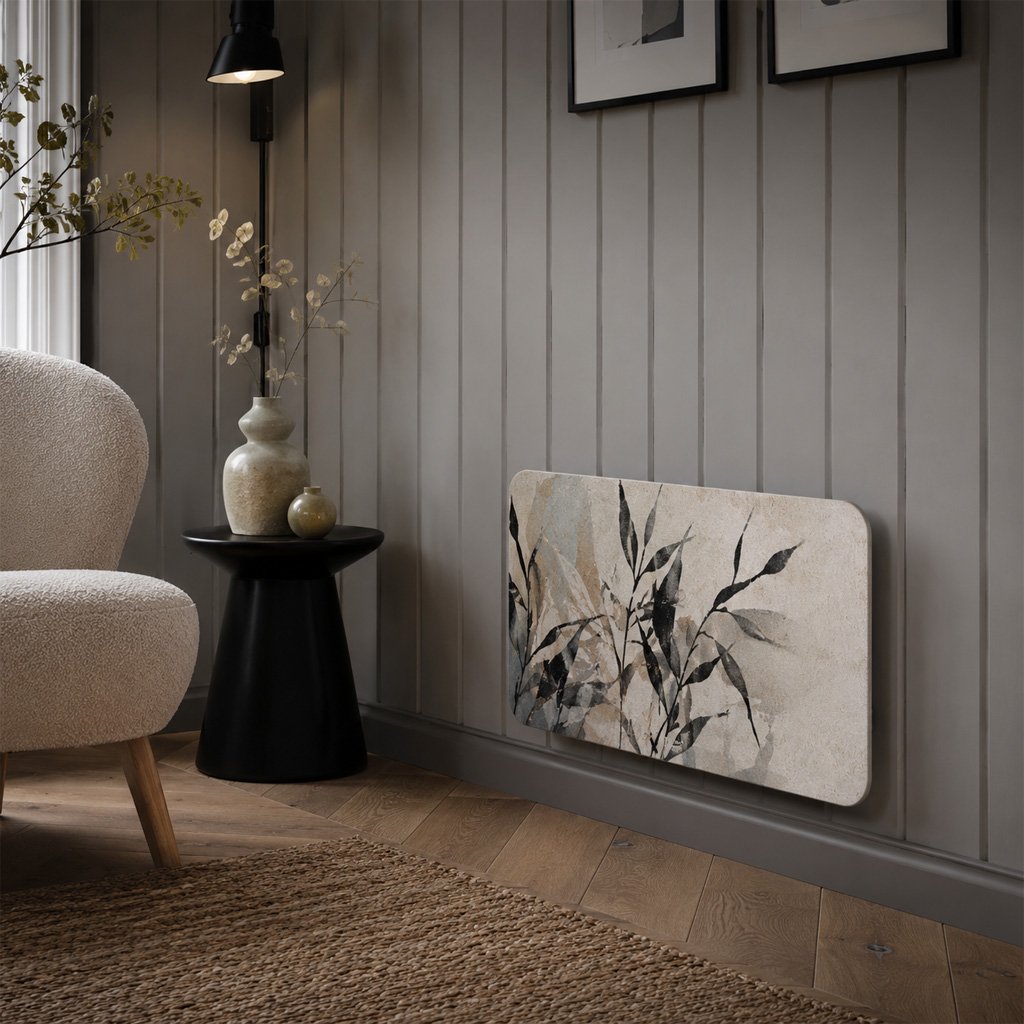
A radiator no longer needs to be the jarring element in your carefully designed living room. The days of having to settle for a standard white block that clashes with your deep blue or olive green wall are definitely over. With a paintable radiator, you choose a heating solution that blends seamlessly into its surroundings, keeping the focus on your interior rather than the technology. It is a conscious design choice that combines modern technology with aesthetic freedom.
You probably recognize the frustration of a beautifully plastered wall interrupted by a conspicuous metal panel. Perhaps you are unsure about the right approach or worried that the paint will peel as soon as the temperature rises. We will show you how, with the right preparation and materials, you can achieve a seamless result that remains beautiful for years without unpleasant odors during use. In this article, you will learn everything about the benefits of BEHA 's specially behasteel fronts and how to transform these smart convectors into a stylish, invisible part of your room.
Key Points
- Learn how to make a paintable radiator blend invisibly into your interior by giving the front the exact same color as your wall.
- Discover the aesthetic advantage of a completely flat surface for a sleek look without unsightly pipes or grilles.
- Understand the difference in efficiency and visual quality between renovating an old radiator and installing a modern ECODESIGN convector.
- Get practical instructions for a professional finish, from thorough degreasing to applying heat-resistant paint.
- Discover how BEHA 's paintable radiators combine innovative Wi-Fi technology with a fully customizable Norwegian design.
What exactly is a paintable radiator?
A paintable radiator is more than a simple heat source; it is a chameleon in your interior. While a standard radiator is often a necessary evil that you would prefer to hide behind a sofa, a paintable model is designed to be seen, or conversely, to blend in completely. The main difference from a traditional model lies in the finish and the texture of the surface. A standard radiator often features fins, visible pipes, and a glossy finish that is difficult to surpass without the result looking sloppy. A modern model with a paintable front, on the other hand, has a completely flat front plate that has been specially behafor optimal adhesion of various types of paint.
To understand why this is such an innovation, it helps to look at the basics. What is a radiator originally? Traditionally, it is a metal heat exchanger that, through its shape, creates as much surface area as possible for heat dissipation. In a paintable radiator, that technology is cleverly concealed behind a sleek steel panel. This panel acts as a canvas for your own creativity. In modern homes, where tranquility and unity are central, the paintable radiator has become an indispensable element for anyone unwilling to compromise on the visual balance in a room.
Why would you want to paint your radiator?
The primary reason is, of course, aesthetics. You create a seamless transition where the radiator takes on exactly the same color as the wall. As a result, the room immediately looks larger and calmer. In the past, many people opted for radiator covers to hide unsightly appliances, but these have a major disadvantage: they trap heat and significantly reduce the efficiency of your heating. By painting directly on the front, you retain full heat output. Moreover, you can easily adapt the heating to new interior trends. Changing the color of your living room? Then simply paint the radiator along with it without having to purchase a new appliance.
Various materials and their suitability
Not every material lends itself equally well to a sleek paint job. Old cast iron radiators have a coarse, porous structure that causes paint to dry unevenly and the texture to always remain visible. Steel fronts, on the other hand, are ideal for a modern result. BEHA 's smart convectors feature a high-quality powder coating that serves as the perfect base. This layer ensures that the new paint not only adheres well but also does not peel due to the heat. Electric convectors, in particular, are highly suitable for personalization because the temperature of the front panel remains constant and controlled, which benefits the lifespan of your paintwork.
Why choose a paintable radiator instead of a standard model?
Choosing a paintable radiator is an investment in visual tranquility. While standard models are often marred by visible pipes and deep fins that cast shadows on the wall, a paintable front offers an uninterrupted, sleek surface. The result is a heater that blends seamlessly into the room's architecture, much like how a stylish staircase from Trappenkopen.nl can contribute to a harmonious whole. This aesthetic benefit is immediately noticeable; the radiator no longer draws attention away from your furniture or artwork, but becomes an integral part of your color scheme.
A technical aspect that is often overlooked is heat output. Standard radiators painted afterwards by a consumer frequently suffer from efficiency loss. This occurs when paint layers that are too thick or unsuitable are applied, insulating heat instead of conducting it. However, a specially developed paintable radiator is technically optimized for this purpose. The materials used and the factory pre-behaensure that heat transfer remains optimal, even after applying your own coat of paint. Durability is guaranteed by special primers that prevent corrosion and peeling, which is essential for a device that constantly changes temperature.
The importance of a flat design
The rise of modern electric radiators has fundamentally changed the way we view heating. In a minimalist home, everything revolves around clean lines and eliminating visual clutter. A flat front panel is crucial in this regard. Painting on a smooth surface is many times easier than fiddling with a brush between the tricky corners of a traditional model. Moreover, you avoid the inevitable shadowing effect of ridges, which makes the color on the radiator look exactly the same as on the surrounding wall.
When making a choice, it is useful to consider the differences between painting an old radiator and purchasing a new model. Old radiators often already have multiple layers of paint or light rust, making a professional finish almost impossible. A new, paintable model offers a clean slate and a guaranteed sleek result that matches the high standards of a modern interior.
Maintenance and lifespan of the paint layer
Durability plays a major role in the choice of a paintable front. BEHA fronts are behawith a specific powder coating that serves as a superior base layer. This behaensures that the surface is more resistant to scratches and impacts than a standard radiator. Moreover, cleaning a flat, painted surface is a breeze; a soft cloth is usually sufficient to remove dust, without having to reach into tricky crevices.
Another major advantage is long-term flexibility. You can confidently paint over a high-quality paintable radiator along with any new wall color. Because the base coat is so stable, adhesion remains excellent even with a second or third coat of paint. This ensures your heating always stays up to date with the latest interior trends. Would you like to experience for yourself how easy it is to refine your interior? Then discover the versatility of our smart convectors for a seamless finish.
The differences between painting an old radiator and buying a new convector
Many people view painting a radiator as a quick and inexpensive solution to freshen up an outdated interior. However, there is a fundamental difference between a laborious renovation project and the conscious choice of a new radiator that you can paint. With an old model, you often run into the limitations of the material. Years of dust accumulation in the crevices and old paint layers hardened by the heat make it almost impossible to behaa result that truly looks like new. Moreover, the time investment is enormous; while you can give a new, flat front a sleek finish in a short time, with a traditional radiator you spend hours sanding rusty fins and tricky corners.
Another underestimated problem when refurbishing old radiators is unpleasant odors. Old paint residue and leftover dirt can release nasty smells when heated, which can linger in the house for weeks. New, paintable radiators, on the other hand, are designed with modern painting techniques in mind. The materials are clean and do not react chemically with the new paint layer, allowing you to immediately enjoy a fresh and odorless result. The difference in visual quality is instantly apparent: a new convector has a sleek design that seamlessly aligns with current interior standards, whereas a painted old radiator often retains a 'refurbished' appearance.
Efficiency and technology
In addition to appearance, the energy bill plays a crucial role. A wall convector with a thermostat is many times smarter and more efficient than an outdated water radiator. Modern devices meet the strict ECODESIGN requirements, which means they use energy much more precisely. The integration of Wi-Fi control allows you to regulate the temperature per room via an app, something that is simply not possible with older models. Moreover, the advanced technology ensures a lower surface temperature of the front, which is not only safer for children and pets but also significantly extends the lifespan of your paintwork.
Aesthetic considerations
The visual impact of a paintable radiator should not be underestimated. Old radiators often display deep rust spots that eventually show through the paint, even with the best primer. This creates a sloppy impression. A new, paintable radiator always looks sleeker due to the absence of these imperfections. Also, do not forget the hidden costs; purchasing special metal primers, heat-resistant paints, and high-quality brushes for an old radiator can quickly become expensive. For a comparable amount, you can invest in a modern unit that is not only more aesthetically pleasing but also technically ready for the future.
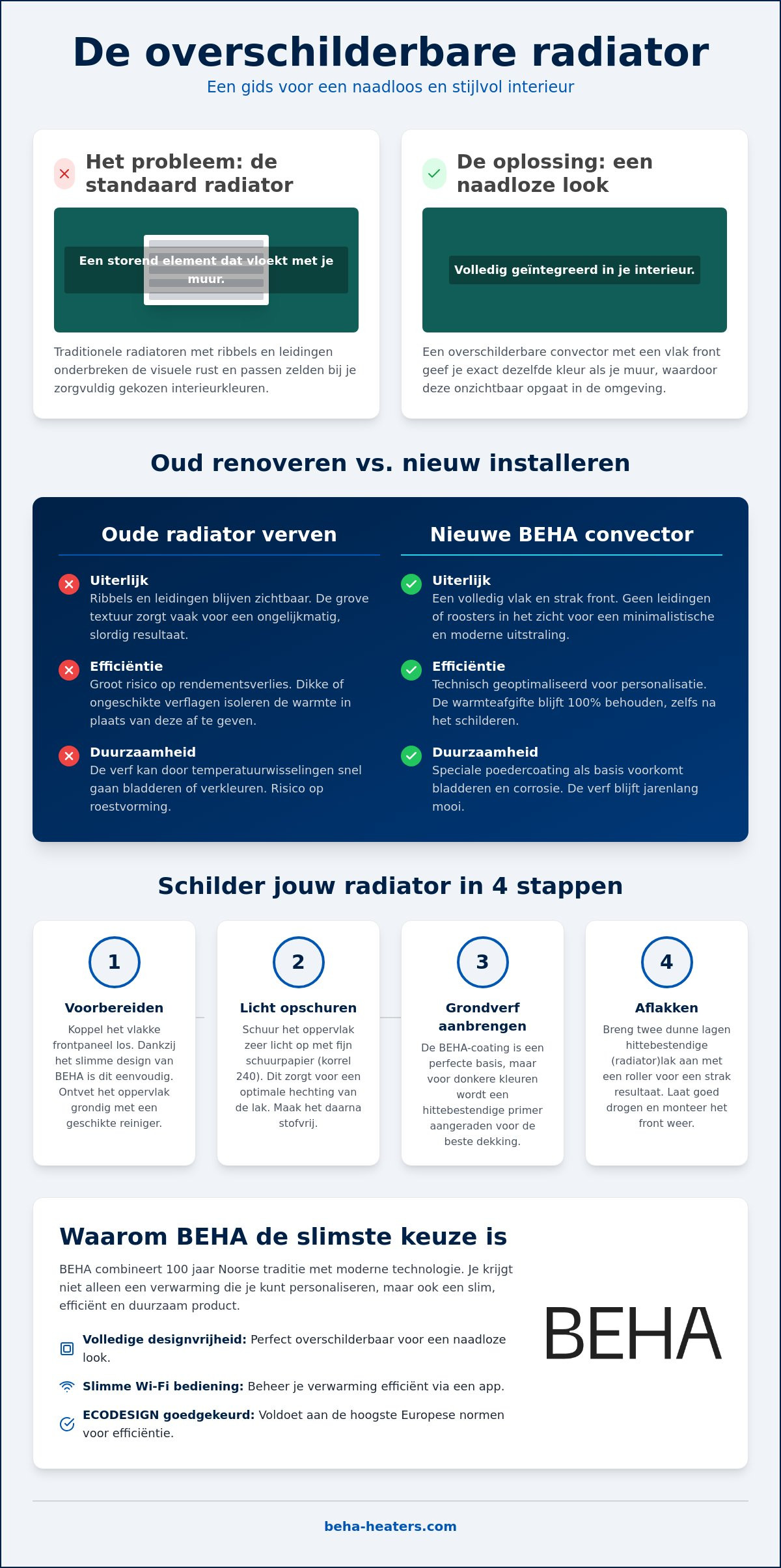
Step-by-step plan: how to paint your radiator like a professional?
Painting a paintable radiator always starts with a cold start. Ensure the heating is completely switched off and the panel feels cold before you begin. Paint adheres poorly to a warm surface and dries too quickly, causing unsightly streaks. Start by thoroughly removing all dust from the front. Next, use a high-quality degreaser to remove all fingerprints and invisible grease residue. This is a crucial step; without a perfectly grease-free surface, even the best paint will peel over time.
Once the front is dry and clean, it is time to lightly roughen the base coat. Use fine sandpaper with a grit of P240 or higher for this. The goal is not to sand away the existing powder coating; you simply want to create a microscopically rough surface for the new paint to adhere to. After sanding, wipe the front again with a tack cloth. For applying the paint, we recommend a good quality felt roller. These rollers hold sufficient paint and leave no lint behind, which is essential for the silky-smooth result you can expect from a paintable radiator. Work in strips from top to bottom and overlap them slightly for an even effect.
Which paint do you need for a radiator?
The choice of paint largely determines the lifespan of your project. Although it is tempting to use leftover wall paint, we strongly advise against it. Wall paint is not elastic enough to accommodate the thermal expansion of the metal, which causes cracks to form. Always choose a special radiator paint or a high-quality metal paint that can withstand temperatures of at least 80 degrees Celsius. Water-based paints are preferred nowadays; they do not smell during application and yellow much less quickly than solvent-based paints. Always check the maximum temperature resistance on the packaging to avoid long-term disappointment.
Common mistakes when painting
Patience is your best friend for this job. A common mistake is applying a coat of paint that is too thick in one go. This inevitably leads to drips that are difficult to repair. It is better to apply two thin coats than one thick one. Another critical mistake is switching the heating back on too soon. The paint often needs 24 to 48 hours to cure before it can withstand the heat of the convector. Also, do not forget to carefully mask sensitive parts, such as the thermostat knob or the Wi-Fi sensors, with high-quality painter's tape. Paint inside these parts can disrupt the operation of your smart heating. Do you want to get started right away with a model specifically designed for this? Then check out our paintable convectors for the best results.
Why BEHA 's paintable radiators are the smartest choice
Why settle for a compromise when you can choose a paintable radiator from a brand that combines innovation and tradition? The BEHA Wi-Fi convectors with a paintable front have been specifically developed for the discerning interior enthusiast. While many other solutions on the market stop at the appearance, BEHA goes a step further by integrating high-quality heating technology into a panel that you can fully customize. Moreover, installation is extremely simple. The steel front is immediately ready for your favorite color, saving you time on complicatedbehatreatments often required for standard radiators.
These smart convectors are not just a visual asset to the room. They are also equipped with advanced features that enhance your living comfort and lower your energy bill. Consider open window detection, where the convector temporarily stops heating if the temperature suddenly drops due to an open door or window. With the intuitive app, you maintain full control over the climate in every individual room, wherever you are. It is the perfect synergy between Norwegian quality and the digital demands of a modern household.
One hundred years of Norwegian expertise
BEHA builds on an impressive history of over 100 years of experience from Norway. In a country where reliable heating is an absolute necessity, you learn what quality truly means. This rich history translates into an unwavering focus on safety and the use of sustainable materials. Every unit meets the strictest ECODESIGN requirements and European environmental standards. You are therefore not only choosing an aesthetic solution, but also a responsible product designed to last for years. The robust construction of the steel front ensures that the paintable radiator retains its shape and sleek appearance, even with intensive daily use.
Your interior, your rules
’s paintable line BEHA puts the rules entirely in your own hands. Whether you choose a bold accent colour that makes a statement or a subtle tone-on-tone finish that blends in with the wall, your heating system effortlessly grows with your changing tastes. You will never have to replace a radiator again because the colour no longer matches your new interior style. Are you ready to take your home to the next level without compromising on technical comfort? Discover our extensive collection and order your paintable radiator today for a truly seamless result.
Transform your home with invisible heat
You now have the knowledge to turn your heating from an obstacle into an enrichment for your interior. By choosing a paintable radiator, you combine aesthetic perfection with the highest technical standards. You know by now that a flat front is not only easier to paint but also ensures a sleeker result than the laborious refurbishment of an old, ribbed model. Moreover, you enjoy a healthier indoor climate without unpleasant paint odors when heating.
At BEHA we have stood for Norwegian quality since 1917. Our paintable models meet the strictest ECODESIGN standards and offer you the assurance of a 5-year warranty on all models. It is time to say goodbye to those unsightly white areas and choose a heating system that adapts to your taste and lifestyle. Are you ready for a seamless finish in your own home?
View the paintable electric radiators from BEHA and start transforming your interior today. You will be amazed by the tranquility that a perfectly matching radiator exudes.
Frequently asked questions about paintable radiators
Can I paint any radiator that can be painted with regular wall paint?
No, it is strongly advised against using ordinary wall paint on your heating system. Although wall paint has the right color, it is not elastic enough to withstand the thermal stresses of a heat source. A radiator that can be painted requires a special heat-resistant paint or a high-quality metal paint that can expand and contract without cracking. Preferably use water-based paint to prevent yellowing and unpleasant odors in the long run.
Do I need to use a special primer before painting the radiator?
For BEHA 's paintable models, a separate primer is usually not necessary. The factory powder coating on the steel front is already optimally behafor adhesion and acts as the perfect base layer. It suffices to thoroughly degrease the surface and lightly roughen it with fine sandpaper, such as grit P240. This saves you time and money while ensuring a professional finish that remains flawless for years.
How long does the paint need to dry before I can turn the heating back on?
We recommend allowing the paint to cure for at least 24 to 48 hours before switching the convector back on. Although the paint feels touch-dry after a few hours, the chemical composition requires more time to fully bond to the metal surface. If you turn on the radiator too soon, the heat can cause the paint to peel or solvents to evaporate, leaving an unwanted odor in your interior.
Will the radiator start to smell when the paint gets warm?
When using the correct heat-resistant paint and allowing sufficient curing time, the radiator will not emit any unpleasant odors. Any odors during the first use after painting often stem from residual dust or paint that has not yet fully cured. A paintable radiator from BEHA is manufactured from clean materials which, in combination with high-quality water-based paints, ensure a completely odorless and healthy heating experience in your home.
Does an extra coat of paint affect the heat output of my stove?
A thin, evenly applied layer of paint has a negligible impact on the efficiency of your convector. BEHA 's steel fronts are technically designed to continue conducting heat optimally, even after a colorbeha. However, it is important not to apply unnecessarily many thick layers on top of each other. Two thin coats usually provide the best coverage without compromising the thermal performance or the strict ECODESIGN standards of the unit.
Is it better to spray or roll a radiator for a smooth result?
For a flat front panel, a felt roller often provides the most even result for the DIYer. Spraying can give a very sleek finish, but requires a lot of experience and extremely careful masking of the surrounding area to prevent overspray. With a high-quality roller, you apply the paint in a controlled manner and prevent drips. This is the most practical method to make your heating blend seamlessly into the structure of your wall.
Can I paint an electric radiator if it contains electronics?
Yes, you can safely paint an electric convector, provided you only behathe steel front panel. It is crucial to keep the thermostat, the Wi-Fi sensors, and the ventilation grilles on the top and bottom completely free of paint. These parts are essential for the safe operation and accurate temperature measurement of the system. Use high-quality painter's tape to protect these sensitive components while working on the front.
What should I do if the paint on my radiator starts peeling?
Peeling is almost always the result of inadequatebeha-treatment or an incorrect paint choice. If this occurs, you must completely sand away the loose paint residue until you reach the stable base layer of the powder coating again. Then, degrease the front again with a powerful degreaser and apply a new coat of suitable radiator paint. By carefully following the instructions in our step-by-step plan, you will prevent this problem and ensure a durable result.